
In the fiercely competitive budget smartphone market, where brands often sacrifice core features to hit a price point, POCO has carved a niche by delivering “more for less.” The POCO C71, the latest entry in its popular C-series, arrives with the promise of bridging affordability and functionality—targeting students, first-time smartphone users, and anyone seeking a reliable daily driver without overspending. After a week of testing it for calls, gaming, photography, and media consumption, here’s why the C71 stands out—and where it could have done better.
Design: Slim, Light, and Surprisingly Premium
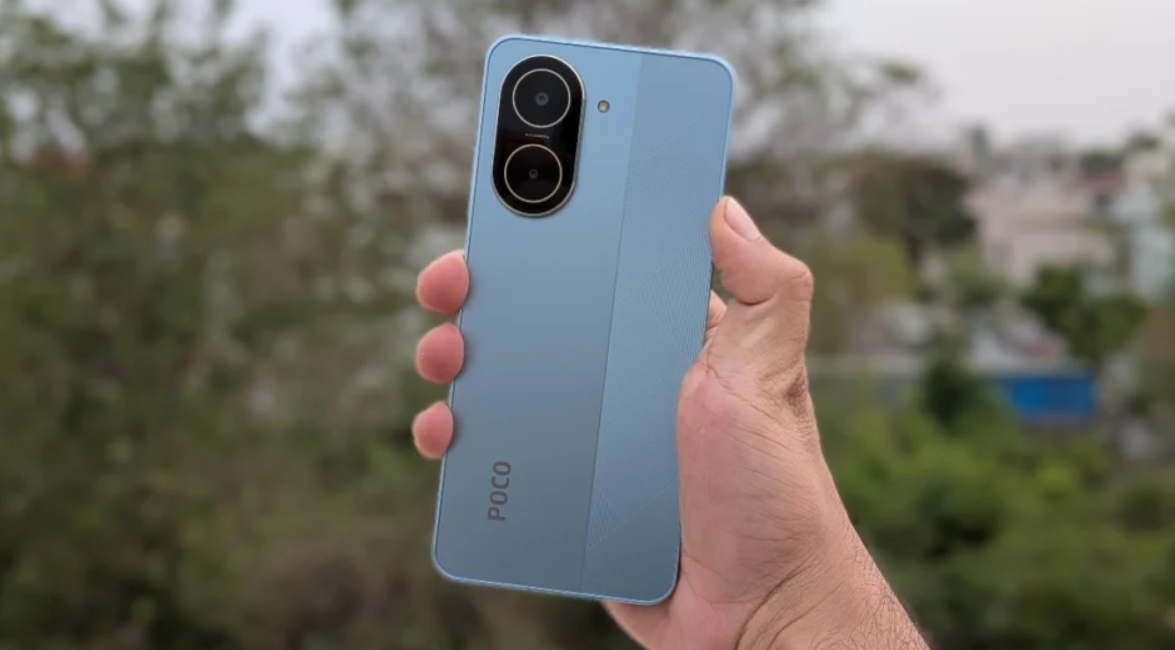
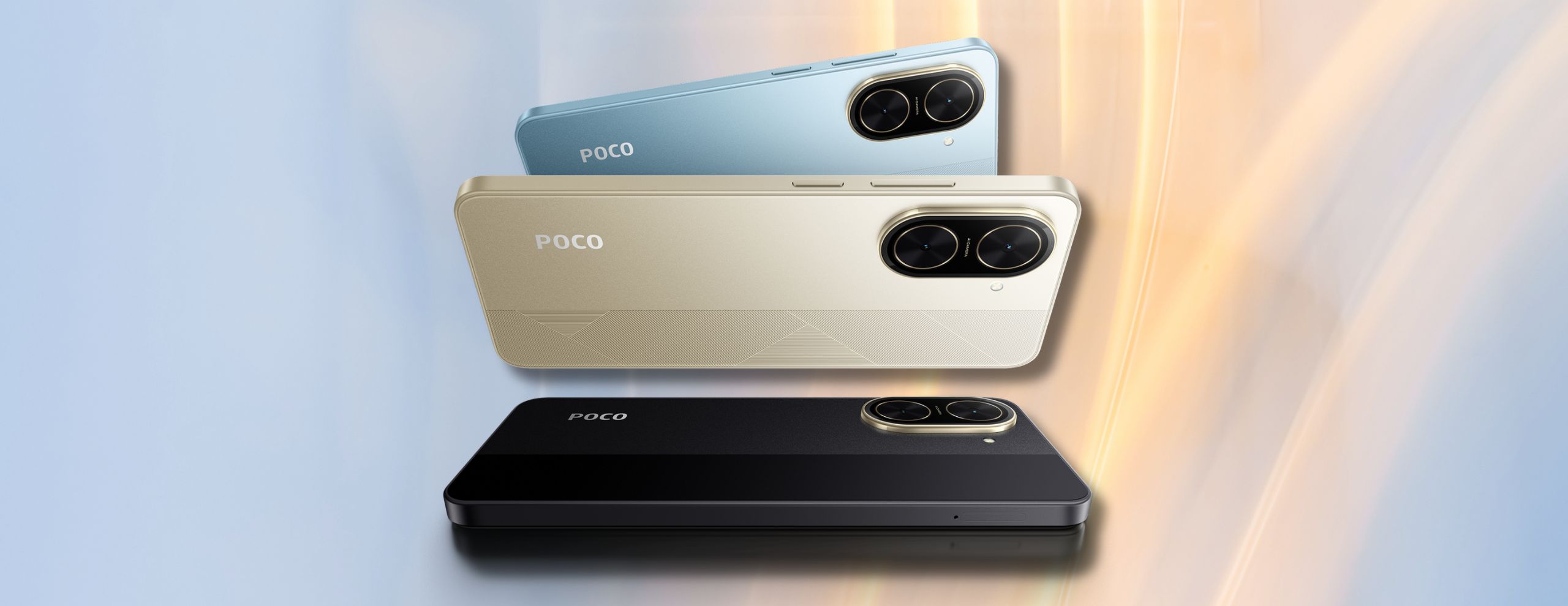
Budget phones often feel cheap due to plastic builds, but the POCO C71 defies expectations with a sleek design that’s comfortable to hold. Measuring 8.26mm thick and weighing 193g, it sits easily in one hand, avoiding the bulky feel of some large-screen devices. The back panel features a matte finish that resists fingerprints—an essential detail for daily use—and the vertical camera module (adorned with a glossy decorative ring) adds a touch of flair without being over-the-top.
The phone is available in three vibrant shades: Power Black, Cool Blue, and Sunny Orange. Our Cool Blue unit caught light nicely, shifting between deep blue and subtle teal hues, making it more visually appealing than the muted tones of many budget rivals. The side-mounted fingerprint sensor doubles as the power button, positioned perfectly for quick access, while the volume rocker has a satisfying click that avoids the “mushy” feel common in low-cost devices.
Practicality shines here too. The inclusion of a 3.5mm headphone jack is a win for audiophiles who prefer wired earbuds, and the USB-C port (finally standard across POCO’s lineup) supports fast charging. The IP54 splash resistance rating is another pleasant surprise, offering protection against accidental spills or light rain—something many budget phones skip entirely.
Display: Immersive, Smooth, and Eye-Friendly
The POCO C71’s 6.88-inch IPS LCD display is its most impressive feature for the price. With a 90% screen-to-body ratio, the large panel minimizes bezels, creating an immersive experience for streaming Netflix, scrolling Instagram, or reading e-books. The 120Hz refresh rate is the real star here—scrolling through feeds feels silky smooth, and even fast-paced videos (like action clips or TikTok reels) play without motion blur, a significant upgrade over the 60Hz displays of most budget competitors.
While the 1640×720 resolution (HD+) isn’t as sharp as Full HD+, it’s more than sufficient for daily use. Text remains readable, and colors are vibrant enough for media consumption, though they lack the richness of AMOLED panels (a trade-off we expect at this price). The display’s brightness tops out at around 450 nits, which works well indoors but can be dim in direct sunlight—you’ll need to crank up the brightness to see the screen clearly on a sunny day.
POCO’s focus on eye health is commendable. The display holds three TÜV Rheinland certifications: Low Blue Light (to reduce eye strain during late-night use), Flicker Free (eliminating annoying screen flicker), and Circadian Friendly (which adjusts color temperature to align with natural sleep cycles). We tested it during a 2-hour late-night reading session and noticed significantly less eye fatigue compared to older budget phones—ideal for students pulling all-nighters or anyone who uses their phone before bed.
Performance: Snappy for Daily Tasks, Just Enough for Light Gaming
Under the hood, the POCO C71 is powered by the UNISOC T7250 octa-core processor, paired with 4GB or 6GB of RAM (expandable to 8GB via virtual memory) and 128GB of storage (with microSD support up to 1TB). For everyday tasks—answering calls, browsing Chrome, using social media apps like WhatsApp and Facebook—the phone is snappy and lag-free. We tested multitasking by keeping 10 apps open (including Google Maps, Spotify, and Instagram) and experienced no slowdown when switching between them, thanks to the memory extension technology.
Gaming performance is where expectations need to be tempered. The T7250 chip handles casual games like *Candy Crush Saga* and *Subway Surfers* flawlessly at maximum settings. For more demanding titles like *Call of Duty Mobile*, we had to drop the graphics to “Low” and frame rate to “Medium” to maintain smooth gameplay—high settings resulted in occasional stutters. This is par for the course in the budget segment, and the C71 performs better than most rivals in its price range for light gaming.
Software plays a big role in performance too. The C71 runs MIUI 14 based on Android 13, which is clean and customizable without bloatware. POCO promises 36 months of system updates and 48 months of security patches, ensuring the phone stays secure and functional for years. We also appreciated the “Smooth as New” optimization, which uses AI to prevent performance degradation over time—a feature usually reserved for mid-range phones.

Camera: Reliable for Daily Snaps, Impressive in Good Light
The POCO C71 packs a dual-camera setup on the back: a 32MP main sensor (f/2.0 aperture) and a 2MP depth sensor for portrait mode. Up front, there’s an 8MP selfie camera (f/2.2 aperture) for video calls and social media shots. For a budget phone, the camera performance is surprisingly solid, especially in good lighting.
In daylight, the main camera captures sharp, detailed photos with accurate colors. We took shots of cityscapes and nature, and the sensor handled dynamic range well—highlights weren’t blown out, and shadows retained detail. The 18% increase in light intake (compared to the POCO C61) is noticeable in backlit scenarios; using the “HDR” mode, we captured balanced shots of people against bright windows without losing facial details.
Low-light performance is a mixed bag. The camera uses AI noise reduction to produce cleaner shots, but details can get smudged in very dark environments. Night mode helps—we took shots of a busy street at night, and the mode brightened the scene while keeping noise in check, though colors were slightly muted. The depth sensor works well for portraits, creating a natural bokeh effect that blurs the background without chopping off edges (a common issue in budget phones).
The front camera delivers decent selfies with natural skin tones. The “Selfie Soft Aperture” mode smooths out blemishes without making skin look plastic, and it handles backlight better than expected. Video recording tops out at 1080p/30fps, which is sufficient for social media, though there’s no stabilization—footage can be shaky if you’re walking while recording.

Battery: All-Day Power, Durable Over Time
Battery life is where the POCO C71 truly excels. The 5200mAh typical battery lasted us over a full day of heavy use: 2 hours of video streaming, 1 hour of gaming, 1 hour of social media, 30 minutes of calls, and constant background app activity. Even with the 120Hz refresh rate enabled, it still had 25% battery left at the end of the day. For light users, it could easily last 2 days on a single charge.
Charging speed is 15W via the included charger, which isn’t the fastest (it takes about 1 hour and 45 minutes to fully charge), but it’s manageable. What’s more impressive is the battery’s durability—POCO guarantees it will retain 80% of its capacity after 1,000 charging cycles (about 3 years of use), which means the phone won’t suffer from rapid battery degradation like some budget devices.
Pros and Cons
– Sleek, lightweight design with IP54 splash resistance
– Immersive 6.88-inch display with 120Hz refresh rate and eye-care certifications
– Snappy performance for daily tasks and light gaming
– Reliable camera performance in good lighting
– Exceptional 5200mAh battery life with durable build
– Clean MIUI 14 with long software support
– Inclusion of 3.5mm headphone jack and microSD support
Final Verdict: A Top Pick for Budget
The POCO C71 isn’t perfect, but it offers more value than almost any other phone in its price range. It nails the essentials: a smooth display, reliable performance, all-day battery life, and a camera that works when you need it. The design feels premium, the software is clean and future-proof, and small touches like the 3.5mm jack and IP54 resistance show POCO’s attention to user needs.
Who is this phone for? It’s ideal for students who need a reliable device for schoolwork and social media, first-time smartphone users who want something easy to use, and anyone on a tight budget who refuses to settle for a sluggish, low-quality device. If you’re a heavy gamer or a photography enthusiast, you’ll want to look at mid-range phones, but for everyday use, the C71 is hard to beat.
The POCO C71 is a budget champion. It proves that you don’t have to spend a fortune to get a smartphone that’s functional, durable, and even a little stylish.